
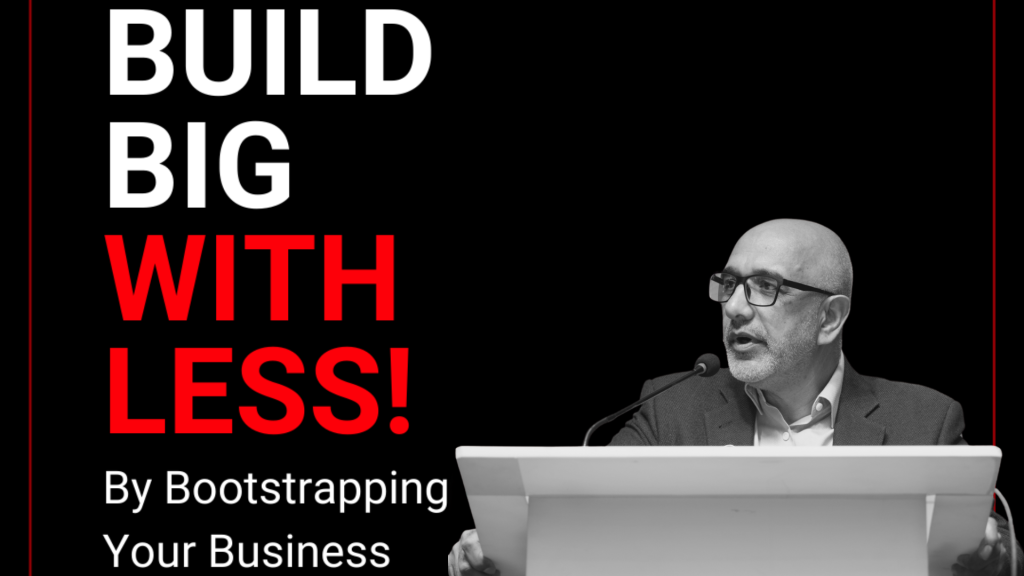
Many entrepreneurs believe that securing funding is the ultimate goal when starting a business. But in reality, taking money from investors often means handing over ownership and control of your company. Venture capitalists (VCs) aren’t just investing in your idea; they’re buying a stake in your hard work and, eventually, profiting from your struggle. That’s why I believe VC often stands for Vulture Capitalists, they swoop in, take control, and cash out when it suits them. Instead of relying on external funding, bootstrapping (growing your business with minimal resources) allows you to retain full ownership and build a company on your own terms. Here’s how to do it:
1. The Mindset Shift: From Capital to Creativity
Bootstrapping isn’t just about cutting costs; it’s about thinking smarter. Many successful companies started with almost nothing. They made up for what they lacked in capital with strategic thinking and relentless execution. If you focus on what truly matters, solving a real problem and serving your customers, you can build a strong foundation without deep pockets.
Explore new opportunities using Clever-Profit’s comprehensive trading system clever profit site

Take, for example, Rozee.pk, which started as an internal job board for his company. Instead of relying on VC funding in its early stages, it was bootstrapped, refined, and reinvested profits to grow. Today, Pakistan’s leading job portal proves that strategic execution can build a successful business without external investment.
2. Validate Before You Build
One of the biggest mistakes entrepreneurs make is investing in an idea before knowing if there’s real demand. Instead of spending thousands developing a product that might fail, start with a Minimum Viable Product (MVP) – a simple version of your idea that tests the market.Sell your idea before you build it – offer pre-orders, create a landing page, or launch a basic service to gauge interest. Gather feedback, because early customer insights help refine your product, saving you from costly mistakes, If something isn’t working, adapt quickly before pouring more resources into it.

J. was launched with a small retail outlet and minimal investment by Junaid Jamshed. Before committing to large-scale production, it focused on understanding customer demand and building a strong brand. Through steady reinvestment and organic growth, it became one of Pakistan’s largest clothing brands without relying on major external funding.
3. Keep Costs Low: Operate Like a Pro for Free
You don’t need an expensive office, a big team, or costly software to run a business. Today, countless free and affordable tools allow you to work efficiently:
- Marketing: Canva, Mailchimp, Buffer
- Operations: Notion, Trello, Google Workspace
- Finance: Wave, QuickBooks, SADA Biz
Leverage these tools instead of spending money on unnecessary expenses. Efficiency beats excess every time.

Started with a basic website and limited resources, Zameen.com focused on user needs rather than expensive branding or unnecessary features. By staying lean and prioritizing functionality, it grew into Pakistan’s largest real estate platform without relying heavily on VC funding in its early years.
4. Revenue First, Growth Later
The key to successful bootstrapping is focusing on revenue-generating activities. Fancy branding and office spaces can wait. Instead, prioritize:- Product development: refining what you offer to meet customer needs
- Marketing: getting your product in front of the right audience
- Customer experience: keeping customers happy so they come back and refer others
5. Leverage Your Network: Connections Over Capital
One of the most valuable assets you have is your network. The right connections can provide insights, mentorship, and opportunities that money can’t buy.- Engage with potential customers, industry peers, and mentors.
- Join communities and events where you can exchange value with others.
- Collaborate instead of competing. Partnerships can lead to cost savings and new opportunities.
Bootstrapping isn’t just a strategy, it’s a mindset. And if you embrace it, you’ll create something sustainable, profitable, and entirely your own.